How to choose between air and sea freight
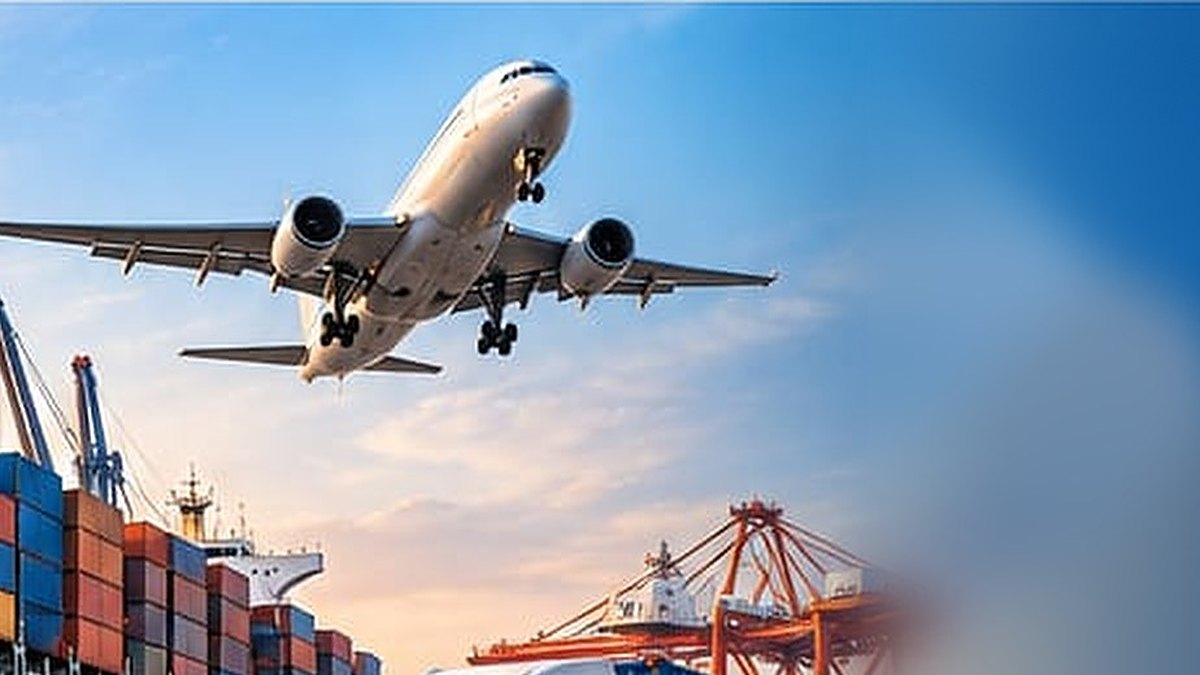
Air freight is the fast option and sea freight is the economical one. This guide helps you pick the right one for your shipment.
Choosing between air and sea freight usually comes down to three questions: how soon do you need the goods, how big and heavy are they, and how much is the shipment worth compared with the cost of moving it.
Speed. Air freight is much faster, so it suits urgent, light and high-value shipments such as samples, spare parts, electronics and documents. Sea freight takes longer, because the goods wait for the vessel, travel across the ocean and then pass through the port at both ends, so it suits goods that can be planned weeks ahead.
Cost. Sea freight is normally the cheaper way to move large volumes and heavy goods, either in a full container or as a share of a container. Air freight is charged by weight, and by volume when the package is large but light, so it becomes expensive for bulky or heavy cargo.
Size and type of goods. Very large, heavy or bulky cargo is usually better by sea. Fragile, perishable or time-sensitive goods are better by air, or by a faster land route when the destination allows it. Some goods, such as batteries, liquids or chemicals, have special rules on aircraft and ships, so tell us about them from the start.
Planning. If you have time, ordering earlier and shipping by sea can save a lot. If a deadline is close, air freight can rescue it. Many customers combine both: a small first batch by air and the rest by sea.
Before you decide, ask for a quote for both options with the same shipment details, and compare the total time and the total cost, including packing, port or airport fees and customs clearance.
General information only. Rules, duties and transit times differ between countries and carriers, so always confirm the details of your own shipment with our team.